
Sambandet mellan teknik och mental hälsa

The Connection Between Technology and Mental Health | Neuropsychology Insights

In our fast changing digital world, technology is both a trusted ally and a formidable challenge for mental health. Smartphones, social apps, wearable devices, and intelligent assistants offer unprecedented access to information, support, and social connection. At the same time, constant connectivity can blur boundaries, disrupt sleep, and fuel stress. This article dives into what neuroscience tells us about how technology interacts with the brain and mental health, and it offers practical, science based guidance to help you use tech in ways that sharpen your mind and support emotional well being.

The connection between technology and mental health

Technology touches every layer of mental health from brain development to everyday mood regulation. The neuropsychology lens helps us understand both the upside and the downside of our digital lives.

What the science is saying

  • Technology can improve access to care: teletherapy, online assessments, and digital coaching expand reach for people who might otherwise go without support.
  • Digital tools can support self management: mood tracking, sleep monitoring, and cognitive training apps enable people to observe patterns and implement strategies.
  • Excessive or poorly planned use can strain mental health: high screen time, constant notifications, and blue light exposure can disrupt sleep, elevate stress hormones, and amplify negative mood in some individuals.
  • Individual differences matter: genetics, prior mental health history, age, and social context shape how technology affects each person.

How digital tools support mental health

  • Remote and timely care: video visits, chat based interventions, and asynchronous support reduce barriers to seeking help.
  • Real time feedback: momentary mood or stress sensors help people notice triggers and practice coping skills when they matter most.
  • Psychoeducation at scale: apps and online programs deliver evidence based information about anxiety, depression, and resilience.
  • Social connection and belonging: moderated forums and support groups can offer validation and practical tips even for people with rare conditions.

Tools and apps worth knowing

  • Mood and symptom tracking apps that import data from sleep, activity, and heart rate to provide a holistic view.
  • Cognitive behavioral therapy based apps that guide users through structured exercises.
  • Mindfulness and breathing apps designed to reduce arousal and promote focus.
  • Sleep tracking tools that help align daily routines with circadian biology.

Online communities and social support online

  • Peer support forums can complement professional care when used responsibly.
  • Virtual communities reduce isolation during life transitions such as relocation or illness.
  • Moderation quality and privacy controls matter for safety and effectiveness.

The dark side: how technology can harm mental health

While technology can be a lifeline, certain patterns of use may undermine well being. Understanding these risks helps you build healthier habits.

Social media and mood

  • Social comparison and validation loops can amplify negative mood and self critical thinking.
  • Exposure to distressing news or traumatic content can heighten anxiety and stress.

Information overload and cognitive strain

  • Constant information flow taxes attentional resources and can impair decision making.
  • Multitasking with digital content often reduces efficiency and increases perceived mental effort.

Digital distraction and attention

  • Frequent interruptions fragment concentration and can impair deep work and learning.
  • Habitual checking behavior may become compulsive for some individuals.

Cyberbullying and online harassment

  • Negative online interactions are linked to a higher risk of anxiety, depression, and social withdrawal.
  • Protective measures such as reporting and privacy settings are essential, but the emotional impact can be lasting.

Digital dependence and withdrawal

  • Some people experience symptoms similar to withdrawal when disconnected from devices.
  • Dependence can interfere with real world relationships and activities.

The neuropsychology angle: brain mechanisms at play

A neuroscience minded view helps explain why technology can both help and hinder mental health.

Brain mechanisms behind tech use

  • Reward circuits: Frequent interactions with social apps can trigger dopamine surges tied to social feedback, making use feel rewarding.
  • Basal ganglia and habit formation: Repetitive digital behaviors can become automatic, which may reduce deliberate self regulation.
  • Emotion regulation circuits: Access to rapid coping tools can either strengthen coping skills or provide short term relief at the expense of longer term resilience.

Sleep disruption and circadian rhythms

  • Blue light from screens can suppress melatonin production, delaying sleep onset and reducing sleep quality.
  • Late night device use is associated with higher fatigue, mood disturbances, and reduced cognitive performance the next day.
  • Sleep is a foundation for mental health; even small improvements in sleep can have meaningful effects on mood and cognition.

Stress response and technology use

  • High arousal from constant notifications can elevate sympathetic nervous system activity.
  • Chronic stress exposure related to digital life can affect cortisol patterns and emotional regulation.
  • Mindful engagement with tech and deliberate breaks can buffer stress responses.

Neuroplasticity and digital training

  • Cognitive training apps and targeted digital exercises have the potential to support certain cognitive functions.
  • The brain adapts to repeated digital tasks, so purposeful practice with meaningful content may yield gains.
  • Overuse without purpose may lead to inefficient neural resource allocation if not balanced with rest and offline activities.

Practical guidance for healthier tech use

Evidence based strategies can help you harness tech while protecting mental health.

5 evidence based strategies for healthier tech use

  1. Create digital boundaries: set specific times for checking email or social apps and stick to them.
  2. Design your environment: turn off non essential notifications and use do not disturb during deep work or sleep windows.
  3. Practice digital mindfulness: before opening a new app ask if this supports your goals and well being.
  4. Integrate tech free moments: schedule offline meals, walks, and social time without devices.
  5. Use technology to support sleep: dim screens in the evening, enable night shift features, and keep devices out of the bedroom when possible.

Daily routines to protect sleep

  • Establish a wind down routine that starts 30 to 60 minutes before bed.
  • Remove screens from the sleep space and consider a traditional alarm clock instead of a phone.
  • Reserve the last hour before bed for low intensity activities like reading a book or gentle stretching.

Workplace and school guidelines

  • Encourage scheduled technology breaks and mindful email or chat checking windows.
  • Provide education on digital well being and resilience for students and employees.
  • Promote access to high quality digital tools that support learning and mental health.

Special topics: youth, aging and digital wellbeing

Technology use has unique implications across the lifespan. Neuropsychology research emphasizes careful attention to vulnerable periods where the brain is especially plastic and responsive to social input.

Youth and digital media

  • Early and frequent social media exposure can influence identity formation and peer relationships.
  • Parental monitoring and open conversation about online experiences are linked with healthier digital habits.
  • Schools can integrate digital well being into curricula, teaching skills like critical thinking and media literacy.

Aging and digital health

  • Digital health tools can support independence and monitoring of mood disorders in older adults.
  • Social connectivity via video calls can mitigate loneliness, a risk factor for cognitive decline.
  • It is important to balance technology with meaningful offline activities that support physical and cognitive health.

For researchers and clinicians: translating insights into practice

The field is rapidly evolving as new devices, apps, and platforms emerge. Clinicians and researchers can play a pivotal role in guiding safe and effective technology use.

What the field is focusing on

  • The quality and safety of mental health apps, including clinical validation and privacy protections.
  • How digital interventions compare to face to face care for various conditions.
  • The impact of long term technology use on neural circuits involved in attention, emotion regulation, and memory.
  • Strategies to integrate digital tools into standard care pathways without increasing patient burden.

How to discuss digital wellbeing with clients and patients

  • Start with a collaborative assessment of tech habits and goals.
  • Identify specific patterns that contribute to symptoms (for example late night scrolling) and discuss practical alternatives.
  • Emphasize a strengths based approach: leverage the parts of technology that support resilience and social connection.
  • Provide clear, actionable steps with follow up to assess impact over time.

Case examples: applying the science to real life

Here are a few fictional but realistic scenarios to illustrate how the science translates to everyday decisions.

  • Case 1: A college student notices mood dips after late night phone use. Intervention focuses on sleep hygiene, recommended limits on evening devices, and a sleep friendly study plan that replaces scroll time with a calming ritual.
  • Case 2: A parent worries about their teen’s social media use. Approach includes open dialogue about content, setting friendly boundaries, and using app features that promote healthy engagement rather than restriction alone.
  • Case 3: An adult working from home experiences eye strain and burnout. Solutions include scheduled breaks, ergonomic setup, and mindfulness practices to reset attention during the workday.

Takeaways: building a healthier relationship with technology

  • Technology is a tool with powerful potential to support mental health when used intentionally.
  • The brain thrives on stable sleep, meaningful social connections, and purposeful learning – all of which can be nurtured alongside digital devices.
  • Small, consistent changes often yield the biggest mental health benefits over time.
  • Privacy, safety and evidence quality matter when selecting tools for mental health and cognitive training.

Resources and further reading

  • For readers seeking science based guidance, consult reputable sources and review articles on digital wellbeing and neuropsychology.
  • If you are considering a digital tool for mental health support, look for evidence of efficacy, privacy protections, and user reviews from credible sources.
  • At Neuropsykologi.org we aim to deliver scientifically grounded insights into brain functions and how technology intersects with daily life. Explore topics from brain development to mental health and everyday neuroscience to sharpen your mind.

Here are a few practical next steps you can take right now:

  1. Audit your tech use for a week: note the times you use devices, what you do, and how you feel before and after.
  2. Create a personal digital wellbeing plan: set boundaries, choose one or two apps that genuinely support your goals, and schedule digital free zones.
  3. Try a 14 day digital detox experiment: remove or limit one source of digital noise and observe changes in mood and focus.
  4. Share this article with a friend or family member and discuss your collective goals for healthier tech use.

If you enjoyed this exploration of the neuroscience behind technology and mental health, consider subscribing to updates from Neuropsykologi.org. Our aim is to help you understand brain function and cognition in the context of everyday life, so you can cultivate a sharper mind and a healthier relationship with the digital world.
Minnets funktion och hur du kan förbättra det

Minnets funktion och hur du kan förbättra det

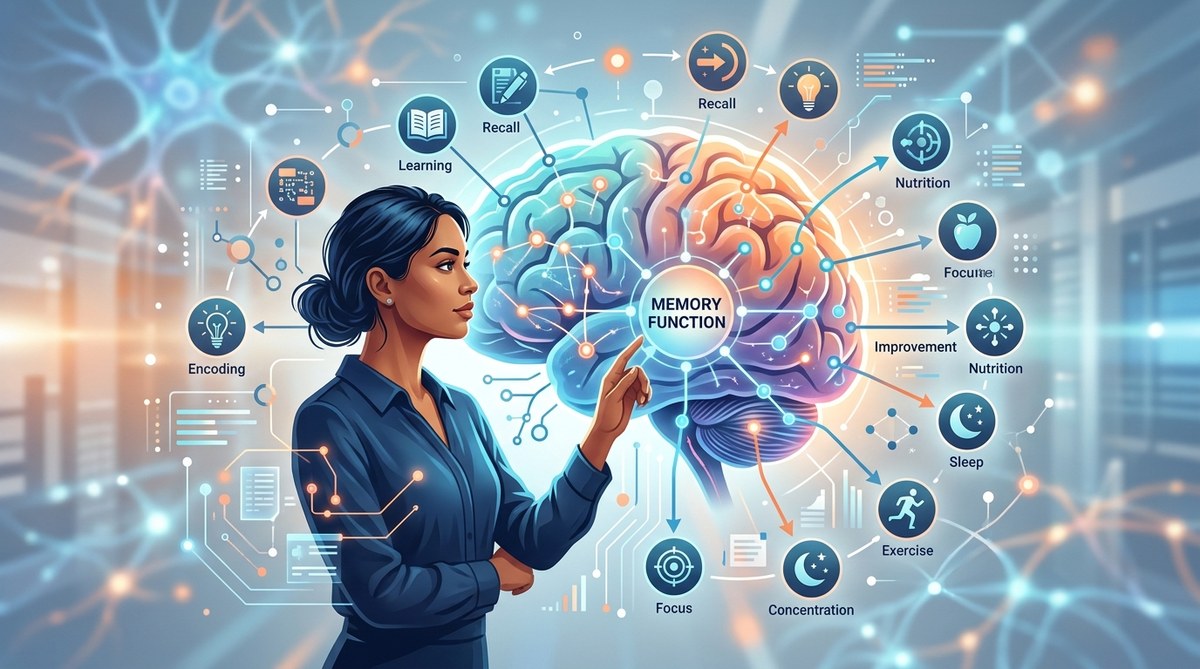
Memory shapes how we learn, plan, and experience everyday life. It governs not only what we remember but how we think, solve problems, and adapt to new situations. Understanding how memory works and learning practical steps to strengthen it can equip you with a sharper mind, better study habits, and more confident decision making. In this article we break down memory into its core systems, explain how you can train it effectively, and offer science based strategies you can start using today. By the end you will have a clear map for supporting memory across different life stages and needs.

What is memory

Memory is not a single thing in the brain. It is a collection of processes and systems that work together to encode, store, and retrieve information. There are different kinds of memory for different purposes, and they rely on distinct brain networks. Think of memory as a pipeline with several stages: encoding, consolidation, storage, and retrieval. The quality of memory depends on attention at encoding, the strength of the memory trace, and how often the information is revisited or retrieved.

Key ideas to keep in mind:
– Encoding determines how well we initially register information. Focused attention and meaningful processing improve encoding.
– Consolidation stabilizes memories over time, often during sleep.
– Retrieval is the act of recalling information from memory, which can be improved through practice and good cues.

Understanding the core idea that memory is multi component helps explain why some strategies work better for some tasks than others. It also underscores why addressing sleep, stress, and physical health can have a meaningful impact on how well you remember things.

The brain and memory

Memory relies on a broad network of brain regions, with some areas playing central roles for specific types of memory:

  • Hippocampus: critical for forming new episodic memories and linking them into a coherent memory network.
  • Prefrontal cortex: important for working memory, planning, and manipulating information in real time.
  • Temporal lobes: involved in semantic memory and recognizing familiar information.
  • Amygdala: integrates emotional significance that can strengthen or weaken memory.
  • Cerebellum and basal ganglia: contribute to procedural memory and skill based learning.

Healthy memory depends on clean communication among these regions. Factors such as sleep quality, cardiovascular health, stress levels, physical activity, and nutrition can influence how well these networks function.

The memory systems

There are several well established memory systems worth distinguishing as you design strategies to improve them:

  • Sensory memory: a brief, initial register of sensory input (sights, sounds, textures). It fades quickly unless attended to.
  • Working memory: a small, temporary store used for holding and manipulating information in the moment. This system is essential for reasoning, problem solving, and transferring information to long term memory.
  • Long term memory: a durable store for information after encoding has occurred. It includes:
  • Episodic memory: memory for personally experienced events and experiences.
  • Semantic memory: general knowledge about the world, facts, and concepts.
  • Procedural memory: memory for how to perform tasks and skills, often learned through practice.

Each system can be trained and supported with targeted strategies. For example, improving encoding strategies can boost long term memory formation, while working memory can benefit from training that strengthens attention and manipulation of information.

Can you train your memory

The short answer is yes, to a point. The brain is plastic, meaning it can adapt with experience. Regular cognitive engagement and healthy brain habits can improve certain memory tasks and improve overall cognitive function. However, it is important to set realistic expectations:

  • Near transfer is common: benefits are most noticeable on tasks that resemble what you train on.
  • Far transfer to unrelated daily memory tasks is less certain, though some broad cognitive gains can occur with sustained effort and a well rounded program.
  • Consistency matters: short bursts of training are less effective than a steady routine over weeks to months.

Evidence supports a combination of strategies rather than a single magic trick. The most reliable improvements come from an integration of memory specific practice with lifestyle factors such as sleep, physical activity, and stress management.

Working memory training

Working memory is closely tied to reasoning, learning speed, and everyday cognitive performance. Training working memory often involves tasks that require you to hold and manipulate information over short periods. Common types of training include:

  • Dual task exercises: perform two tasks at once to tax the holding and processing capacity of working memory.
  • N back style tasks: continuously monitor a stream of stimuli and respond when the current item matches the one from n steps back.
  • Complex span tasks: memorize sequences while solving a secondary task.

What the research generally shows:
– Working memory training can improve performance on similar tasks and may transfer modestly to related cognitive skills.
– Transfer to everyday memory tasks such as remembering groceries or passing daily conversations is variable.
– Consistency and progressive difficulty are key to making meaningful gains.

Practical takeaway: incorporate short, focused working memory drills a few times per week, but pair them with real world tasks that rely on memory to maximize transfer.

Memory training through associations

Association based strategies help encode and retrieve information by linking new content to what you already know. Some practical approaches include:

  • Elaborative encoding: connect new information to meaningful facts, stories, or personal relevance.
  • Mnemonics: use memorable phrases or acronyms to capture lists or sequences.
  • Imagery and visualization: create vivid pictures that link items together or place them in a familiar spatial layout.
  • The loci method (memory palace): imagine a familiar route or space and place items you want to remember along the way.

Additional strategies:
– Chunking: group items into larger, meaningful units to reduce cognitive load.
– Rhymes and alliteration: use sound based cues to facilitate recall.
– Repetition with spacing: review information over spaced intervals to strengthen retention.

In practice, combine these techniques with real tasks. For example, if you need to remember a shopping list, create a short story that links each item with a vivid image and place it in your mental memory palace.

Memory problems

Occasional forgetfulness is common, but certain patterns warrant attention. Consider the following categories:

  • Everyday forgetfulness: misplacing keys, forgetting a name, or needing a reminder for routine tasks. This can be normal and often improves with better sleep, less stress, and organization.
  • Stress and fatigue related memory lapses: prolonged stress or poor sleep can impair encoding and retrieval.
  • Medication or health issues: some medicines or medical conditions can affect memory. Talk to a clinician if you notice deliberate memory problems after starting a new medication.
  • Mood and mental health: depression and anxiety can blunt concentration and memory.
  • Cognitive decline: more persistent memory problems that interfere with daily life may indicate mild cognitive impairment or dementia, and require medical evaluation.

If you notice frequent memory gaps that affect independence, work performance, or safety, seek professional consultation.

When memory declines

Aging brings changes in memory, but not all changes signal disease. Important distinctions:

  • Normal aging: slower processing of new information, occasional tip of the tongue moments, and occasional memory slips without disruption to daily life.
  • Concern signs: memory that worsens over weeks or months, getting lost in familiar places, difficulty performing familiar tasks, language problems, confusion about time or place, or changes in personality.

Red flags to discuss with a clinician include rapidly progressive memory loss, significant impairment in daily activities, or new neurological symptoms such as weakness, vision changes, or falls. Early assessment can improve outcomes and support planning.

Protecting and improving memory

A robust set of habits and practices can protect memory and improve day to day recall. Consider these evidence based tips:

  • Sleep first and foremost: aim for 7 to 9 hours per night; prioritize consistent sleep schedules and good sleep hygiene.
  • Move your body: regular aerobic exercise and resistance training support brain health and memory, particularly when combined with balance and flexibility work.
  • Eat for the brain: a Mediterranean style diet rich in vegetables, fruits, whole grains, lean proteins, and healthy fats supports memory. Hydration matters too.
  • Manage stress: mindfulness, breathing exercises, and stress reduction strategies help preserve memory encoding and retrieval.
  • Stay socially engaged: meaningful conversations and social interactions challenge the brain and support cognitive reserve.
  • Keep learning and practicing: lifelong learning and mentally stimulating activities strengthen memory networks.
  • Manage health conditions: control blood pressure, cholesterol, glucose, and maintain a healthy body weight.
  • Limit harmful substances: avoid smoking, limit alcohol, and seek help for substance use concerns.
  • Use external aids: calendars, reminders, and checklists reduce cognitive load and support recall.

Practical plan: create a simple 4 week cycle that blends memory specific practice with healthy lifestyle habits. For example:
– Week 1: establish a regular sleep window, add 20 minutes of moderate exercise on most days, and start a daily 10 minute memory drill.
– Week 2: integrate elaborative encoding for one studied topic per day and begin a daily retrieval exercise where you recall details from the day before.
– Week 3: introduce the loci method for one new list each week and add a weekly social activity that challenges memory through conversation and planning.
– Week 4: review and adjust your routines, reinforcing successful strategies and discarding those that do not fit your life.

Practical exercises you can start today

  1. Retrieval practice journal
  2. Each day write down 3-5 events or facts you learned that day.
  3. After 24 hours, answer questions like “What was the main idea?” or “What two details support that idea?”
  4. Repeat 2 to 3 times per week for a month and track improvements in speed and accuracy.

  5. The memory palace for lists

  6. Choose a familiar place, such as your home.
  7. Place each item you want to remember at a specific location in that place, using vivid images.
  8. To recall, mentally walk through the space and observe each item in order.

  9. Chunking challenge

  10. Take a long string of numbers or words and divide it into meaningful chunks.
  11. Practice reciting the chunks and gradually increase the size of the chunks as you get more proficient.

  12. Sleep and daily routine cues

  13. Keep a consistent wake time and bedtime.
  14. Use cues to reinforce memory for routines, such as leaving a note by the door reminding you to take a pill or check the mail.

Building a daily and weekly routine around memory

  • Morning: quick memory warm ups like flashcard reviews or a 5 minute brain tease.
  • Midday: practice retrieval of what you learned in the morning session; use a timeline or outline to structure information.
  • Evening: reflect on the day, write a short summary from memory, and then compare with notes to gauge accuracy.
  • Weekly review: assess what strategies worked, which items were hardest to recall, and adjust the approach.

Myths and misconceptions about memory

  • Memory can be instantly improved with a single trick. In reality, meaningful gains require consistent practice and lifestyle support.
  • Only gifted or naturally talented people have good memories. In fact, memory performance responds to strategy use, practice, and environment.
  • Memory is fixed and cannot change with age. Memory systems can improve with training and healthy habits, especially when started early and maintained over time.
  • If you forget something, it means you are losing your memory. Occasional lapses are common; persistent issues require evaluation to identify underlying causes.

Special considerations for aging and cognitive health

Memory changes with age, but the brain can adapt. For older adults, combining physical activity with cognitive stimulation, social engagement, and good sleep can produce meaningful gains in memory and daily functioning. If there are concerns about memory, obtain a medical evaluation to rule out reversible conditions such as thyroid issues, vitamin deficiencies, sleep disorders, or medication effects. Early detection and an action oriented plan are important for preserving independence and quality of life.

Sources

  • Cognitive aging and memory function research from reputable medical and neuroscience journals.
  • Sleep and memory consolidation research findings.
  • The impact of physical activity on brain health and memory.
  • Mnemonic strategies and encoding techniques with practical applications.
  • Guidelines for recognizing when memory changes may require medical evaluation.

If you would like more depth on any specific memory system or training approach, we can tailor a section to fit a particular audience such as students, professionals, or older adults. We aim to keep memory science accessible, practical, and grounded in current research so you can apply the insights to your own life and daily routines.

Hur hjärnan utvecklas från barndom till vuxen ålder

How the Brain Develops from Childhood to Adulthood

From the moment we are born, the brain begins a remarkable journey that lasts a lifetime. The same organ that helps a baby recognize a caregiver, a child learn to read, a teen navigate social ups and downs, and an adult solve complex problems is constantly reorganizing itself. This ongoing development is not a straight line but a dynamic process shaped by genes, environment, experiences, and even chance. At Neuropsykologi.org we explore these changes with a focus on everyday neuroscience, helping readers understand what moves our minds at every stage of life.

Overview of brain development across life stages

Brain development is a life long adventure with key milestones clustered around early childhood, middle childhood, adolescence, young adulthood, and aging. While the brain grows rapidly in the first years, it continues to refine networks well into adulthood and beyond. Two big themes recur across all stages:

  • Plasticity and pruning. The brain creates many synaptic connections early on, then trims the less used ones to strengthen efficiency.
  • Myelination and networks. White matter increases as axons become coated with myelin, speeding communication across brain regions. This supports more coordinated thinking, planning, and control of impulses.

In everyday terms, the brain moves from high wiring flexibility to more specialized and efficient circuits. This transition helps explain why young children can learn new languages quickly, why teens take more risks, and why adults often excel at sustained attention and complex problem solving.

1. Early childhood foundations (0 to 5 years)

Early childhood is a period of explosive growth in both structure and function. During the first five years, the brain triples in size and builds the foundational architecture for higher level thinking.

Key milestones and processes

  1. Sensory integration and motor exploration
  2. Babies learn through touch, sight, sound, and movement.
  3. Neural networks that integrate sensation with action grow rapidly.

  4. Language emergence

  5. The brain lays down language circuits, enabling vocabulary bursts and basic grammar.
  6. Early exposure to sounds, words, and conversation strengthens phonological processing.

  7. Social and emotional wiring

  8. Regions involved in recognizing faces, emotions, and social cues become more specialized.
  9. Attachment experiences shape stress regulation systems.

  10. Executive function seeds

  11. Simple tasks require more deliberate control of attention, working memory, and self regulation.
  12. Routines and guided play begin to scaffold these skills.

Practical implications

  • Create rich language environments with frequent talking, reading aloud, and responsive conversation.
  • Provide safe, predictable routines that reduce stress and support emotional regulation.
  • Encourage play that involves problem solving and motor coordination.

2. Middle childhood expansion and refinement (6 to 11 years)

This stage strengthens cognitive tools that support school learning and social reasoning. Networks become more integrated across language, math, spatial thinking, and executive functions.

What grows during this period

  1. Language and conceptual knowledge
  2. Vocabulary continues to expand; children begin to apply rules more consistently.
  3. Reading and math rely on frontal and parietal networks working together.

  4. Working memory and cognitive control

  5. The ability to hold and manipulate information improves, supporting multi step tasks.
  6. Inhibitory control strengthens, helping children resist distractions and follow rules.

  7. Social cognition and empathy

  8. Understanding others’ perspectives becomes more nuanced.
  9. Peer relationships exert a stronger influence on behavior and identity formation.

Practical tips for families and schools

  • Use structured practice that blends memory, attention, and reasoning.
  • Break tasks into clear steps and provide feedback that emphasizes strategy and effort.
  • Foster collaborative learning and opportunities for peer tutoring.

3. The turn of adolescence: the teen brain (12 to 18 years)

Adolescence is marked by dramatic reorganization of brain networks. The prefrontal cortex matures gradually, while the limbic system can drive strong emotions and rewards seeking. This combination helps explain both heightened creativity and increased risk taking.

Core changes happening in this window

  1. Prefrontal cortex maturation
  2. Planning, goal setting, impulse control, and abstract reasoning improve, but not all at once.
  3. Connectivity between the prefrontal cortex and emotional centers becomes more efficient.

  4. Reward system and sensation seeking

  5. The brain’s reward pathways are highly sensitive, reinforcing novelty and risk taking.
  6. Sleep patterns shift toward later nights, which can clash with early school starts.

  7. Hormones and mood

  8. Puberty hormones influence mood, energy, and stress responses.
  9. Mental health vulnerabilities often peak during adolescence, highlighting the need for support.

Practical implications for teens and caregivers

  • Encourage sleep hygiene and consistent bedtimes even if teens resist.
  • Provide autonomy with appropriate boundaries to support decision making and responsibility.
  • Normalize conversations about mental health and stress management.

Education and social life

  • Engage teens in goal setting and planning to strengthen executive function.
  • Use project based learning that connects ideas across subjects and real world problems.
  • Support healthy peer networks that foster cooperation and positive risk taking.

4. Emerging adulthood and the last mile to independence (18 to 25 years)

The brain continues to mature well into the mid to late twenties, particularly the prefrontal networks that govern planning, organization, and emotional regulation. This period is about translating adolescence into adult competence.

What to expect structurally and functionally

  1. Ongoing cortical maturation
  2. Frontal lobe circuits are still refining, improving complex reasoning and delayed gratification.
  3. Emotion regulation becomes more flexible, aiding social relationships and work.

  4. Myelination and efficiency

  5. White matter development supports faster and more reliable communication between brain regions.
  6. Processing speed and cognitive fluency typically improve.

  7. Risk assessment and decision making

  8. Improved ability to anticipate consequences but new life challenges test self regulation in novel contexts.

Practical tips for young adults

  • Build routines that balance exploration with structure to support long term goals.
  • Seek experiences that challenge cognitive flexibility, like learning new skills or languages.
  • Prioritize sleep, exercise, and social connections to sustain mental health.

5. Brain health across the lifespan: genetic, environmental, and experiential influences

Brain development is shaped by a mix of biology and life experiences. Genetics set potential trajectories, but environment and experiences can accelerate or hinder development.

Core influences

  • Genetics and early biology
  • Genetic variants influence when and how networks develop, particularly sensory processing and language circuits.
  • Environment and learning
  • Rich learning environments, language exposure, nutrition, and consistent caregiving support healthy maturation.
  • Stress and resilience
  • Chronic stress can alter stress response systems and neural connectivity, especially in regions governing emotion and memory.
  • Sleep and daily rhythms
  • Sleep quality and duration are critical for memory consolidation and neural maintenance.

Practical takeaways

  • Provide stable, nurturing environments during early years to support healthy foundation building.
  • Encourage varied, age appropriate learning experiences that challenge the mind without overwhelming it.
  • Monitor stress levels and promote coping strategies like mindfulness, physical activity, and social support.

6. Brain plasticity across the life span

Despite the large scale changes across life stages, the brain retains plasticity throughout life. This means it remains capable of adapting with training, experience, and recovery from injury.

Why plasticity matters at different ages

  • Early life plasticity is high, enabling rapid learning of language and motor skills.
  • Adolescent plasticity supports social learning and identity formation.
  • Adult brain plasticity underpins skill acquisition, rehabilitation after injury, and cognitive reserve to delay decline.

How to leverage plasticity

  • Engage in deliberate practice for skills you want to acquire, with spaced repetition.
  • Challenge the brain with new activities such as learning a musical instrument, new sport, or a different language.
  • Stay socially connected; social interaction supports neural health and cognitive function.

7. Brain health essentials: sleep, nutrition, exercise, and stress management

A healthy brain depends on daily habits that sustain its structure and function.

Sleep

  • Children and teens need more sleep than adults. Sleep supports memory consolidation and emotional regulation.
  • In adolescence, circadian shifts may delay bedtimes; combining light exposure in the morning with consistent bed schedules can help.

Nutrition

  • A balanced diet supports brain development and ongoing function.
  • Key nutrients include omega-3 fatty acids, protein for neurotransmitter production, iron for cognitive performance, and a range of vitamins.
  • Regular meals help stabilize energy and mood.

Exercise

  • Aerobic activity boosts blood flow to the brain and supports memory and executive functions.
  • Regular movement reduces stress and improves sleep quality.

Stress management

  • Acute stress can sharpen focus in the moment but chronic stress is harmful to brain networks.
  • Coping strategies include mindfulness, deep breathing, social support, and structured routines.

Practical tips

  • Create a consistent sleep schedule tailored to age.
  • Prioritize nutrient rich meals and regular family meals to support healthy habits.
  • Incorporate regular physical activity into daily life, aiming for at least 150 minutes of moderate activity per week for adults and appropriate amounts for children.

8. When development deviations occur: common issues and red flags

While most brains follow typical trajectories, some children and teens face challenges that require attention.

Common concerns across stages

  • Language delays or learning difficulties in early childhood.
  • Attention problems and hyperactivity during school years.
  • Anxiety, depression, or early signs of mood disorders in adolescence.
  • Sudden changes in sleep, appetite, or behavior in any age group.

When to seek help

  • Persistent, severe issues in academics or relationships.
  • Difficulty with basic self care or mounting distress that interferes with daily life.
  • Sudden or escalating concerns about thoughts of harming self or others.

What to expect in assessment

  • Neuropsychological evaluation can map cognitive strengths and weaknesses.
  • Assessments often include testing of memory, attention, language, executive function, and emotional processing.
  • Results guide targeted interventions, educational accommodations, and therapy.

9. Practical guidance for parents, educators, and young adults

Understanding brain development helps tailor age appropriate support.

For parents and caregivers

  • Model healthy habits: regular sleep, balanced meals, physical activity.
  • Encourage curiosity and exploration while providing structure.
  • Talk openly about emotions and coping strategies.

For educators

  • Use differentiated instruction to align with changing cognitive abilities.
  • Provide explicit instructions and model planning strategies.
  • Build classroom routines that foster executive function and self regulation.

For young adults

  • Develop a personalized study plan that leverages peak cognitive times.
  • Prioritize sleep and stress management as a foundation for learning.
  • Seek mental health support when needed and reduce stigma around seeking help.

10. What neuropsychology tells us today

The science of brain development emphasizes a few enduring ideas:

  • The brain is remarkably adaptable but follows certain maturational windows.
  • Early experiences shape neural connections in ways that echo into adulthood.
  • Lifelong learning and healthy habits can bolster cognitive reserve and emotional well being.
  • Mental health remains integral to cognitive function; early detection and intervention improve outcomes.

This knowledge informs practical recommendations for families, teachers, and healthcare professionals who want to support resilient, flexible minds.

Quick takeaways by life stage

  • Early childhood: language foundation, sensory exploration, attachment safety.
  • Middle childhood: school readiness, working memory growth, social skills.
  • Adolescence: balance risk and reward, sleep alignment, identity formation.
  • Emerging adulthood: independence with continued brain maturation.
  • Adulthood: skill optimization, emotional regulation, cognitive maintenance.
  • Aging: maintain mental activity, social engagement, and physical health to support brain health.

11. Frequently asked questions

How plastic is the brain in adulthood?

Adult brain plasticity is real but tends to be more targeted and task specific. Regular learning and cognitive engagement can still rewire networks and improve performance.

What is the most important factor for healthy brain development?

A combination of genetics and environment, with sleep, nutrition, physical activity, social connections, and low chronic stress playing major roles.

Do teens need more sleep than adults?

Yes. Teenagers typically need about 8 to 10 hours of sleep per night, and aligning school schedules with biological sleep rhythms can support better attention and mood.

A healthy lifestyle that includes regular activity, balanced nutrition, cognitive engagement, social connections, and ongoing treatment of health conditions can reduce risk and preserve function.

What role do schools play in brain development?

Schools provide structured learning experiences that shape cognitive skills, social understanding, and self regulation. Effective education supports mental health and fosters lifelong learning.

Final thoughts

Understanding how the brain develops from childhood to adulthood helps us tailor our actions to support growth at every stage. Whether you are a parent guiding a toddler, a teacher shaping a classroom, or a young adult navigating new responsibilities, the brain offers a roadmap for practical steps you can take every day. At Neuropsykologi.org we remain committed to translating rigorous science into actionable insights for sharper minds and healthier lives.

If you found this overview helpful, explore related articles on memory, language development, and mental health in our Hjärnans Utveckling category. We regularly pull together the latest findings from neuroscience with clear, accessible explanations to keep you informed and empowered.

Further reading and resources
– Neuropsychology fundamentals: brain structure and function explained in accessible terms.
– Articles on sleep and cognition across ages.
– Guides for caregivers and educators on supporting executive function and emotional resilience.
– Updates on research findings that connect everyday experiences with brain changes.

Note to readers: This article integrates current understanding of typical brain development with practical guidance for daily life. Individual development can vary, and if you have concerns about a child or teen, consulting a healthcare professional or neuropsychologist can provide tailored assessment and support.