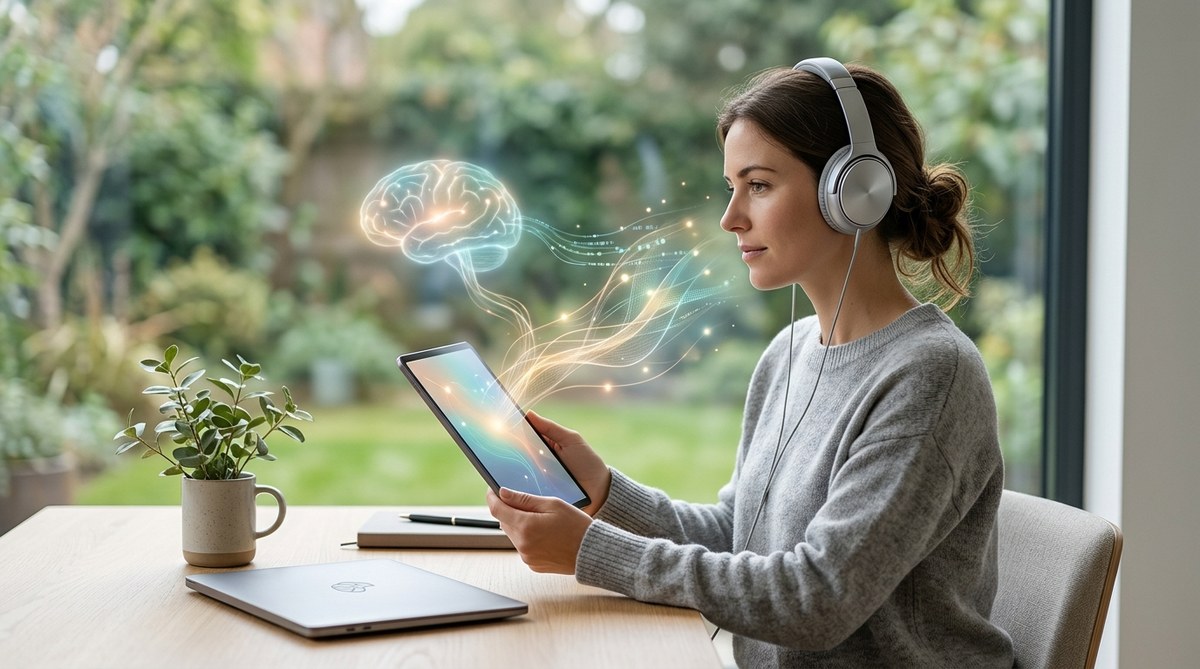
In our fast changing digital world, technology is both a trusted ally and a formidable challenge for mental health. Smartphones, social apps, wearable devices, and intelligent assistants offer unprecedented access to information, support, and social connection. At the same time, constant connectivity can blur boundaries, disrupt sleep, and fuel stress. This article dives into what neuroscience tells us about how technology interacts with the brain and mental health, and it offers practical, science based guidance to help you use tech in ways that sharpen your mind and support emotional well being.
The connection between technology and mental health
Technology touches every layer of mental health from brain development to everyday mood regulation. The neuropsychology lens helps us understand both the upside and the downside of our digital lives.
What the science is saying
- Technology can improve access to care: teletherapy, online assessments, and digital coaching expand reach for people who might otherwise go without support.
- Digital tools can support self management: mood tracking, sleep monitoring, and cognitive training apps enable people to observe patterns and implement strategies.
- Excessive or poorly planned use can strain mental health: high screen time, constant notifications, and blue light exposure can disrupt sleep, elevate stress hormones, and amplify negative mood in some individuals.
- Individual differences matter: genetics, prior mental health history, age, and social context shape how technology affects each person.
How digital tools support mental health
- Remote and timely care: video visits, chat based interventions, and asynchronous support reduce barriers to seeking help.
- Real time feedback: momentary mood or stress sensors help people notice triggers and practice coping skills when they matter most.
- Psychoeducation at scale: apps and online programs deliver evidence based information about anxiety, depression, and resilience.
- Social connection and belonging: moderated forums and support groups can offer validation and practical tips even for people with rare conditions.
Tools and apps worth knowing
- Mood and symptom tracking apps that import data from sleep, activity, and heart rate to provide a holistic view.
- Cognitive behavioral therapy based apps that guide users through structured exercises.
- Mindfulness and breathing apps designed to reduce arousal and promote focus.
- Sleep tracking tools that help align daily routines with circadian biology.
Online communities and social support online
- Peer support forums can complement professional care when used responsibly.
- Virtual communities reduce isolation during life transitions such as relocation or illness.
- Moderation quality and privacy controls matter for safety and effectiveness.
The dark side: how technology can harm mental health
While technology can be a lifeline, certain patterns of use may undermine well being. Understanding these risks helps you build healthier habits.
Social media and mood
- Social comparison and validation loops can amplify negative mood and self critical thinking.
- Exposure to distressing news or traumatic content can heighten anxiety and stress.
Information overload and cognitive strain
- Constant information flow taxes attentional resources and can impair decision making.
- Multitasking with digital content often reduces efficiency and increases perceived mental effort.
Digital distraction and attention
- Frequent interruptions fragment concentration and can impair deep work and learning.
- Habitual checking behavior may become compulsive for some individuals.
Cyberbullying and online harassment
- Negative online interactions are linked to a higher risk of anxiety, depression, and social withdrawal.
- Protective measures such as reporting and privacy settings are essential, but the emotional impact can be lasting.
Digital dependence and withdrawal
- Some people experience symptoms similar to withdrawal when disconnected from devices.
- Dependence can interfere with real world relationships and activities.
The neuropsychology angle: brain mechanisms at play
A neuroscience minded view helps explain why technology can both help and hinder mental health.
Brain mechanisms behind tech use
- Reward circuits: Frequent interactions with social apps can trigger dopamine surges tied to social feedback, making use feel rewarding.
- Basal ganglia and habit formation: Repetitive digital behaviors can become automatic, which may reduce deliberate self regulation.
- Emotion regulation circuits: Access to rapid coping tools can either strengthen coping skills or provide short term relief at the expense of longer term resilience.
Sleep disruption and circadian rhythms
- Blue light from screens can suppress melatonin production, delaying sleep onset and reducing sleep quality.
- Late night device use is associated with higher fatigue, mood disturbances, and reduced cognitive performance the next day.
- Sleep is a foundation for mental health; even small improvements in sleep can have meaningful effects on mood and cognition.
Stress response and technology use
- High arousal from constant notifications can elevate sympathetic nervous system activity.
- Chronic stress exposure related to digital life can affect cortisol patterns and emotional regulation.
- Mindful engagement with tech and deliberate breaks can buffer stress responses.
Neuroplasticity and digital training
- Cognitive training apps and targeted digital exercises have the potential to support certain cognitive functions.
- The brain adapts to repeated digital tasks, so purposeful practice with meaningful content may yield gains.
- Overuse without purpose may lead to inefficient neural resource allocation if not balanced with rest and offline activities.
Practical guidance for healthier tech use
Evidence based strategies can help you harness tech while protecting mental health.
5 evidence based strategies for healthier tech use
- Create digital boundaries: set specific times for checking email or social apps and stick to them.
- Design your environment: turn off non essential notifications and use do not disturb during deep work or sleep windows.
- Practice digital mindfulness: before opening a new app ask if this supports your goals and well being.
- Integrate tech free moments: schedule offline meals, walks, and social time without devices.
- Use technology to support sleep: dim screens in the evening, enable night shift features, and keep devices out of the bedroom when possible.
Daily routines to protect sleep
- Establish a wind down routine that starts 30 to 60 minutes before bed.
- Remove screens from the sleep space and consider a traditional alarm clock instead of a phone.
- Reserve the last hour before bed for low intensity activities like reading a book or gentle stretching.
Workplace and school guidelines
- Encourage scheduled technology breaks and mindful email or chat checking windows.
- Provide education on digital well being and resilience for students and employees.
- Promote access to high quality digital tools that support learning and mental health.
Special topics: youth, aging and digital wellbeing
Technology use has unique implications across the lifespan. Neuropsychology research emphasizes careful attention to vulnerable periods where the brain is especially plastic and responsive to social input.
Youth and digital media
- Early and frequent social media exposure can influence identity formation and peer relationships.
- Parental monitoring and open conversation about online experiences are linked with healthier digital habits.
- Schools can integrate digital well being into curricula, teaching skills like critical thinking and media literacy.
Aging and digital health
- Digital health tools can support independence and monitoring of mood disorders in older adults.
- Social connectivity via video calls can mitigate loneliness, a risk factor for cognitive decline.
- It is important to balance technology with meaningful offline activities that support physical and cognitive health.
For researchers and clinicians: translating insights into practice
The field is rapidly evolving as new devices, apps, and platforms emerge. Clinicians and researchers can play a pivotal role in guiding safe and effective technology use.
What the field is focusing on
- The quality and safety of mental health apps, including clinical validation and privacy protections.
- How digital interventions compare to face to face care for various conditions.
- The impact of long term technology use on neural circuits involved in attention, emotion regulation, and memory.
- Strategies to integrate digital tools into standard care pathways without increasing patient burden.
How to discuss digital wellbeing with clients and patients
- Start with a collaborative assessment of tech habits and goals.
- Identify specific patterns that contribute to symptoms (for example late night scrolling) and discuss practical alternatives.
- Emphasize a strengths based approach: leverage the parts of technology that support resilience and social connection.
- Provide clear, actionable steps with follow up to assess impact over time.
Case examples: applying the science to real life
Here are a few fictional but realistic scenarios to illustrate how the science translates to everyday decisions.
- Case 1: A college student notices mood dips after late night phone use. Intervention focuses on sleep hygiene, recommended limits on evening devices, and a sleep friendly study plan that replaces scroll time with a calming ritual.
- Case 2: A parent worries about their teen’s social media use. Approach includes open dialogue about content, setting friendly boundaries, and using app features that promote healthy engagement rather than restriction alone.
- Case 3: An adult working from home experiences eye strain and burnout. Solutions include scheduled breaks, ergonomic setup, and mindfulness practices to reset attention during the workday.
Takeaways: building a healthier relationship with technology
- Technology is a tool with powerful potential to support mental health when used intentionally.
- The brain thrives on stable sleep, meaningful social connections, and purposeful learning – all of which can be nurtured alongside digital devices.
- Small, consistent changes often yield the biggest mental health benefits over time.
- Privacy, safety and evidence quality matter when selecting tools for mental health and cognitive training.
Resources and further reading
- For readers seeking science based guidance, consult reputable sources and review articles on digital wellbeing and neuropsychology.
- If you are considering a digital tool for mental health support, look for evidence of efficacy, privacy protections, and user reviews from credible sources.
- At Neuropsykologi.org we aim to deliver scientifically grounded insights into brain functions and how technology intersects with daily life. Explore topics from brain development to mental health and everyday neuroscience to sharpen your mind.
Here are a few practical next steps you can take right now:
- Audit your tech use for a week: note the times you use devices, what you do, and how you feel before and after.
- Create a personal digital wellbeing plan: set boundaries, choose one or two apps that genuinely support your goals, and schedule digital free zones.
- Try a 14 day digital detox experiment: remove or limit one source of digital noise and observe changes in mood and focus.
- Share this article with a friend or family member and discuss your collective goals for healthier tech use.
If you enjoyed this exploration of the neuroscience behind technology and mental health, consider subscribing to updates from Neuropsykologi.org. Our aim is to help you understand brain function and cognition in the context of everyday life, so you can cultivate a sharper mind and a healthier relationship with the digital world.